



Renneisance Church Angel Statue
The angel statues in churches during the Renaissance period are a type of artwork with unique aesthetic and religious significance. These angel statues often appear in art works such as murals, sculptures, and stained glass in European churches. Known for its elegant and refined image. They are usually presented in the form of beautiful women or children, showcasing the purity and elegance of angels through soft lines and intricate carvings. The angel statues in churches usually symbolize religious beliefs and the spiritual world. They showcase the purity and elegance of angels with exquisite images and exquisite craftsmanship, while playing an important religious role in churches, bringing comfort to people's religious beliefs and spirits

Chinese white ceramic birthday star painted statue
Shouxing, also known as the Antarctic Elder Star, is the god of longevity in ancient mythology. He is also a deity in Taoism, originally named Xingxing and one of the three stars of fortune, fortune, and longevity. After Emperor Qin Shi Huang unified the world, he built the Shouxing Temple in Du County near Chang'an. The late birthday star evolved into the name of an immortal. The Ming Dynasty novel "Journey to the West" depicts the birthday star holding a lingzhi mushroom, with a long head, large ears, and a short body. The "Warning to the World" has a mythological story of "three stars of fortune, wealth, and longevity". The birthday star in the portrait is an old man with white beard, holding a staff and a raised forehead. The ancients symbolized the longevity of the elderly. Often accompanied by deer, cranes, immortal peaches, etc., symbolizing longevity.

Statue of the Virgin Mary in Kitt Lake Village, Russia during the Tsarist period
Colorful statue of the Virgin Mary of Lake Kitt. This Marian pillar was erected in the middle of the village green space around 1770. The sage stood with his hands clasped together on half of the globe, which was entwined by a snake.

The clay statue of the Virgin and Child from the Capetian dynasty in France
The name of this statue is the Virgin and Child (Vierge à l'Enfant). It was made in the 14th century AD, between 1300 and 1400 AD. This cultural relic was made in France. The statue is made of clay painted with golden colors. Its dimensions are: 93 centimeters high, 27.8 centimeters wide, and 17.5 centimeters deep. This statue is currently housed in the Cluny Medieval National Museum in France.

Popular Models
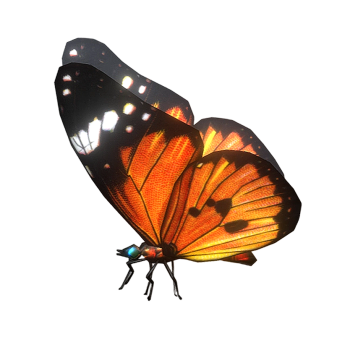
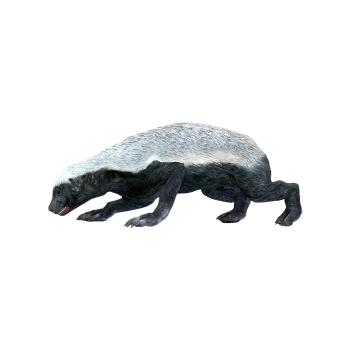
Honey Badger (3D animated model)
194 View
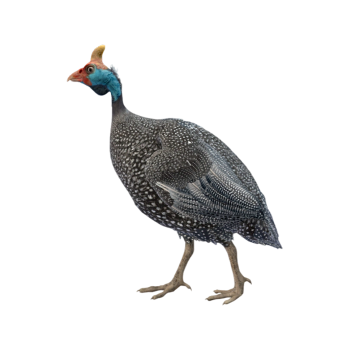
Guinea fowl (3D animated model)
165 View
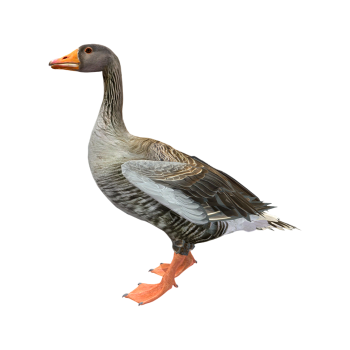
Wild Goose (3D animated model)
187 View

Red Fox (3D animated model)
155 View
Random Model

Potato
432 View

Chain saw 3D model
919 View


High Spinosaurus (3D animated model)
179 View

Marcy Ferguson 35 Tractor
910 View

Pipeline clamp GLB model
850 View

Adidas sts white and black sneaker
707 View

Rossa GT LM 2023 Prototype Racing
682 View

French screw shell
714 View

AJ3(Air Jordan) gray blue sneaker
741 View